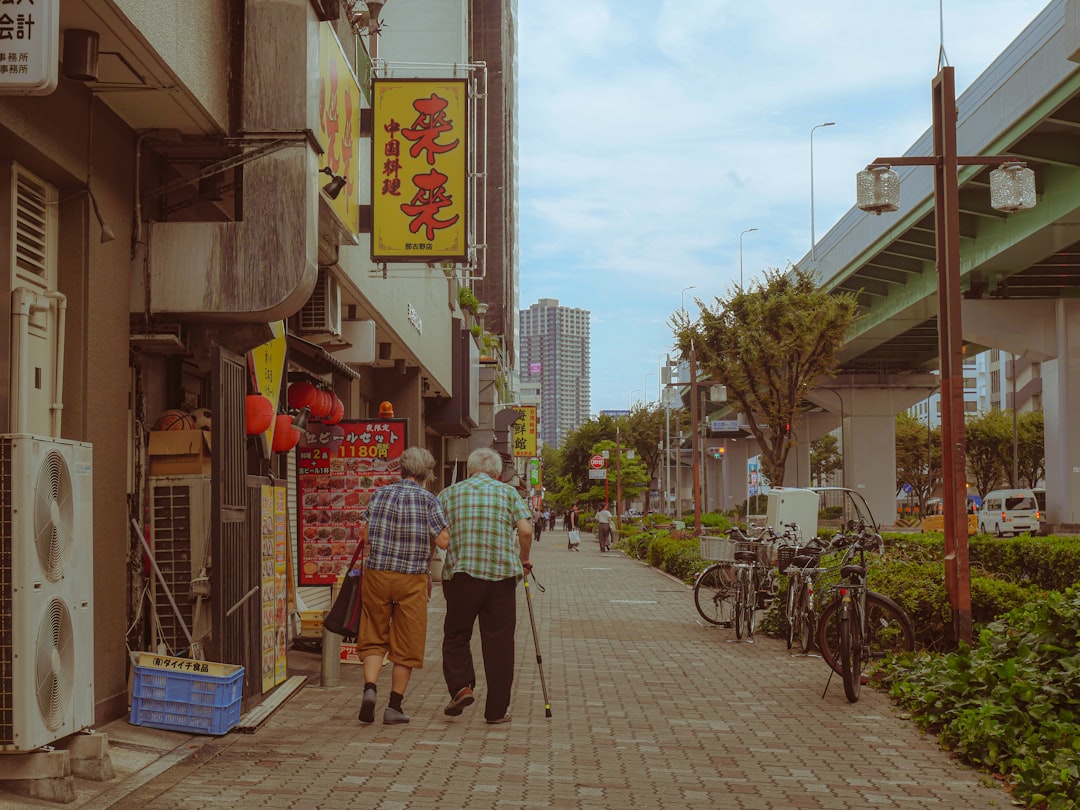
Japan is often cited as a global leader in elderly care, not only because of its aging population — with over 29% of citizens aged 65 or older — but because of the sophisticated systems it has developed to support those who provide care. One of the most pressing yet underreported challenges in caregiving is the mental and emotional toll it takes on caregivers themselves. In Japan, this issue is taken seriously at both the policy and community level, with a multi-layered approach designed to prevent caregiver depression, burnout, and stress before they become crises.
- Understanding the Scale of the Problem
- The Long-Term Care Insurance System: Structural Relief
- Respite Care and Short-Stay Services
- Community-Based Support Networks
- Education and Training for Caregivers
- Workplace Policies Supporting Working Caregivers
- Mental Health Support and Counseling Services
- Cultural Shifts and Changing Attitudes
Understanding the Scale of the Problem
In Japan, there are an estimated 6.5 million informal caregivers — family members, spouses, and relatives who provide unpaid care for elderly loved ones. The physical demands are enormous, but it is the psychological burden that often goes unnoticed. Studies in Japan have shown that family caregivers, particularly those caring for individuals with dementia, are at significantly higher risk for depression, social isolation, and deteriorating physical health. The term “kaigo jigoku” — literally “caregiving hell” — has entered the Japanese lexicon to describe the extreme suffering that caregivers can experience when left without support.
The Japanese government and care professionals recognized decades ago that a caregiver who collapses — physically or mentally — cannot continue to provide quality care. This realization became the philosophical foundation for Japan’s comprehensive approach to caregiver wellbeing.
The Long-Term Care Insurance System: Structural Relief
One of the most powerful tools Japan uses to prevent caregiver burnout is the Long-Term Care Insurance (LTCI) system, known as Kaigo Hoken, which was introduced in 2000. This public insurance program, funded through a combination of premiums paid by citizens over 40 years old and government subsidies, covers a wide range of professional care services. These include in-home care visits, day service centers, short-term respite stays, and residential facility care.
By making professional care financially accessible, the LTCI system dramatically reduces the burden placed on family caregivers. A caregiver is no longer required to be the sole provider of physical assistance. Certified care workers visit the home to assist with bathing, meals, and mobility. Day service centers provide structured activities, meals, and health monitoring for elderly individuals during daytime hours, giving family caregivers several hours of relief each day. This structural respite is one of the most effective preventative measures against chronic caregiver stress.
Respite Care and Short-Stay Services
Japan places particular emphasis on respite care — temporary relief for family caregivers. The Tanki Nyusho service, or short-stay service, allows elderly individuals to stay at a care facility for several days to a few weeks while their family caregiver rests, travels, recovers from illness, or simply takes a mental health break. This service is covered under the LTCI system, making it accessible to most families.
Care managers, known as케어マネジャー (keamaneeja), play a critical role in proactively recommending respite services to caregivers who show early signs of exhaustion or emotional distress. In Japan, the care manager is assigned to each care recipient and acts as a coordinator between the family, medical professionals, and care service providers. Their role is not only logistical but also deeply human — they check in on caregivers, listen to their frustrations, and guide them toward available resources before the situation becomes critical.
Community-Based Support Networks
Japan has invested heavily in community-based care infrastructure, particularly through its Community Comprehensive Care System (Chiiki Houkatsu Care System), which aims to enable elderly individuals to live in their communities while receiving coordinated support. This system also serves as a safety net for caregivers by connecting them with local support resources.
Each municipality in Japan operates Community Comprehensive Support Centers (Chiiki Houkatsu Shien Sentaa), which serve as one-stop consultation hubs. Caregivers can visit or call these centers to receive guidance, emotional support, and referrals to appropriate services. Social workers and public health nurses staffed at these centers are trained specifically to recognize caregiver distress and to intervene early.
Caregiver support groups, known as kazoku kai (family groups), are organized through hospitals, dementia cafes, and local community centers. These groups allow caregivers to share their experiences with others who truly understand their situation, reducing feelings of isolation and providing practical peer advice. Dementia cafes — casual community spaces where caregivers, people with dementia, and community members can meet informally — have become particularly popular across Japan as a destigmatizing and emotionally supportive space.
Education and Training for Caregivers
Japan recognizes that much caregiver stress stems from a lack of knowledge and confidence. When a family member suddenly becomes a caregiver — which often happens without preparation — they may not know how to properly lift a person, manage behavioral symptoms of dementia, or navigate care systems. This uncertainty compounds stress and anxiety.
To address this, municipalities and care organizations throughout Japan offer free or low-cost caregiver education programs. These programs teach proper care techniques, communication strategies for people with dementia, understanding of disease progression, and how to access professional support. Hospitals often hold family caregiver classes upon discharge of elderly patients, ensuring that families are not sent home unprepared.
The Japanese government has also promoted the spread of dementia supporter training (Ninchisho Sapota Yosei Kenshu), which has trained over 13 million people in basic dementia awareness and care skills. While these trained individuals are not professional caregivers, their presence in communities means that family caregivers have more knowledgeable people around them who can offer understanding and practical help.
Workplace Policies Supporting Working Caregivers
A significant and growing challenge in Japan is the phenomenon of “kaigo rishoku” — leaving the workforce due to caregiving responsibilities. Approximately 100,000 people leave their jobs each year in Japan to care for an elderly family member, and this career interruption adds economic stress to emotional stress.
To combat this, Japan has strengthened the Act on Childcare Leave and Family Care Leave, which grants employees the right to take up to 93 days of caregiver leave per family member in need of care, distributed in up to three separate periods. Additional provisions allow for shorter working hours, restrictions on overtime and late-night work, and flexible scheduling for employees with caregiving responsibilities.
Large Japanese corporations have increasingly introduced in-house caregiver support programs, counseling services, and informational seminars to help employees navigate elder care while maintaining their careers. Keeping caregivers employed is recognized as crucial not only for their financial stability but for their mental health — work provides social connection, identity, and a sense of normalcy that helps buffer against depression.
Mental Health Support and Counseling Services
Despite Japan’s cultural tendency toward underreporting mental health struggles, there has been a growing movement to offer targeted psychological support to caregivers. Some municipalities now offer dedicated counseling services for caregivers through their community support centers or in partnership with mental health organizations.
The Japanese Society for Dementia Care and various caregiver advocacy groups have developed telephone consultation hotlines and online counseling platforms specifically for family caregivers. These services lower the barrier to seeking help, particularly for caregivers who are housebound or feel they cannot leave the person they care for.
Care managers are increasingly trained in basic psychological counseling techniques and motivational interviewing, enabling them to provide empathetic emotional support during their regular home visits. Recognizing early warning signs of caregiver depression — such as withdrawal, hopelessness, irritability, and neglect of personal health — is now a formal part of care management training in Japan.
Cultural Shifts and Changing Attitudes
Traditionally, Japanese culture placed the full responsibility of elder care on family members — particularly daughters-in-law — with the expectation that caregiving was a private family duty. While these cultural norms have not disappeared entirely, there has been a meaningful shift in attitudes, driven in part by government campaigns, media coverage, and the practical reality that demographic changes make sole-family caregiving unsustainable.
Public awareness campaigns in Japan have worked to normalize the idea of using professional care services, reducing the stigma that some families feel about “handing over” care to outsiders. The message has been reframed: using professional services is not abandonment but rather a wise and loving choice that allows the caregiver to remain healthy and the care recipient to receive expert attention.
Lessons for the World
Japan’s approach to preventing caregiver depression and stress offers valuable lessons for other nations facing aging populations. The key insight is that caregiver wellbeing cannot be an afterthought — it must be built into the architecture of any care system. Financial relief through public insurance, accessible respite services, community support networks, workplace protections, professional education, and mental health resources must work together as an integrated system.
No single intervention is sufficient. What makes Japan’s approach effective is its layered, proactive nature — identifying caregiver distress before it becomes crisis, and surrounding caregivers with multiple forms of support rather than leaving them to struggle alone.
As other countries look to the future of elder care, Japan’s model serves as both a warning — of what happens when caregiver wellbeing is ignored — and an inspiration of what is possible when a society chooses to truly care for its caregivers.


コメント